
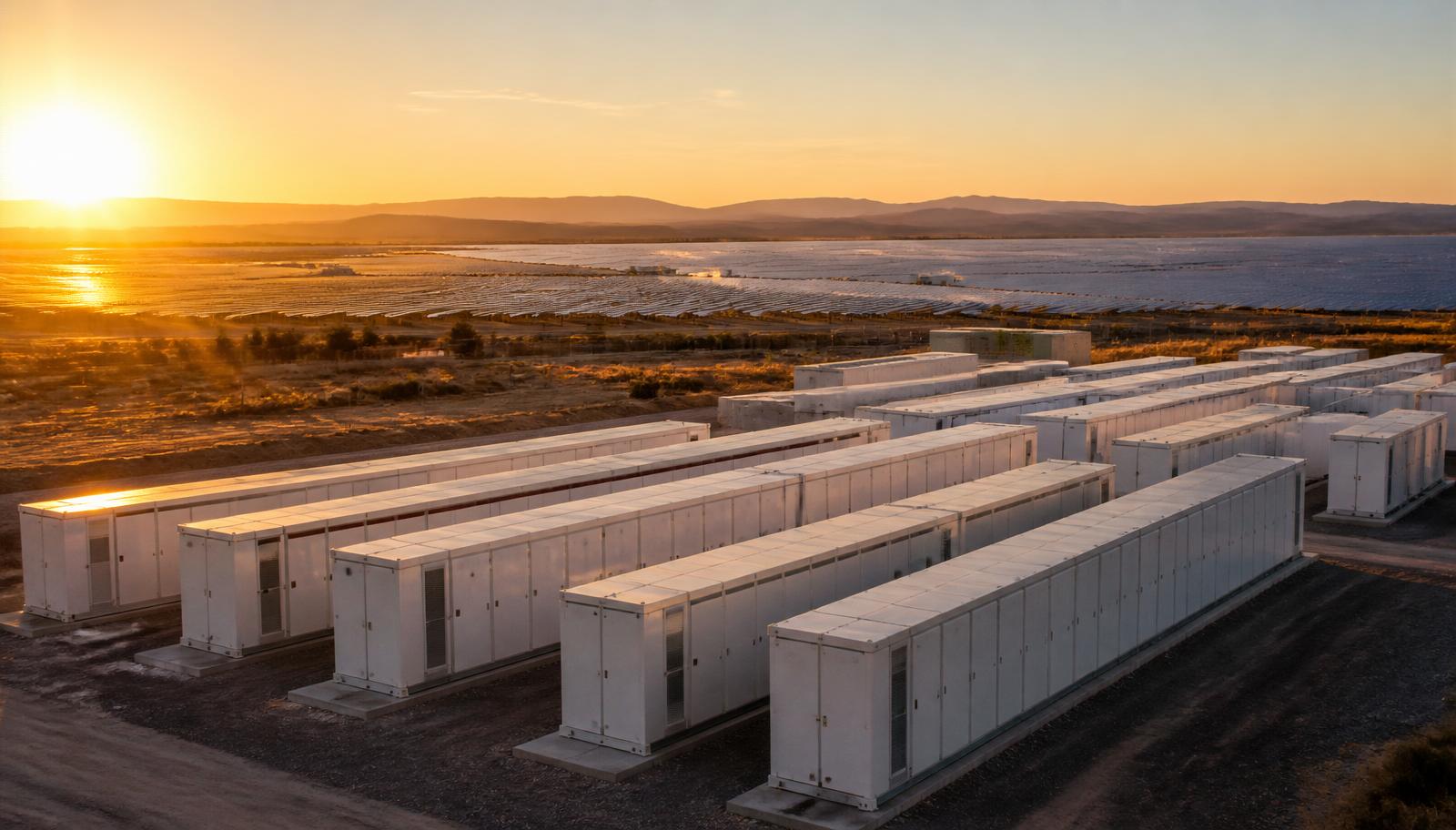
Across Southeast Asia, solar and wind capacity has been added faster than the grid can absorb it. The result is curtailment, congestion and price volatility, and the flexibility that resolves them increasingly comes from batteries. Energy storage in ASEAN is now moving from a technical add on to an investable asset class. What changed is not the technology. It is the revenue model. As markets begin to pay batteries for what they actually do, storage is becoming bankable, and a distinct category of specialist talent is needed to capture the returns.
$50bn
Annual grid and storage investment the region needs by 2050, up from about $13bn today
10 16GW
Vietnam's 2030 battery storage target, raised from just 300 MW
326MWh
Singapore's largest storage system, expanded in 2025 by stacking batteries on the same land
The Opportunity
Why storage, and why now
The scale of the shift is visible in the capital it will take. Investment in the region's grids and storage needs to rise from around USD 13 billion today to about USD 50 billion a year by 2050 to meet announced pledges, and storage sits at the centre of that figure rather than at its edge.
The projects already built make the point. In Singapore, the Sembcorp system on Jurong Island, the largest energy storage facility in Southeast Asia, met the country's 200 megawatt hour target two years early and was expanded in 2025 from 285 to 326 megawatt hours by stacking batteries on the same land, the first vertical expansion of an operating system of its kind.
In Indonesia, hybrid plants pairing solar with very large batteries are being developed specifically to export clean, firm power to Singapore, among them the TotalEnergies and RGE project in Riau and a 900 megawatt solar and 1.2 gigawatt hour storage scheme led by Equator Renewables Asia. Storage is no longer a supporting technology. It is becoming the product itself.
What Changed
From energy only to value stacking
For most of the past decade, batteries in ASEAN were confined to a single revenue stream that rarely covered their cost. That is the main reason storage stalled while solar surged. What is changing is that markets are beginning to pay batteries for the several services they provide at the same time, the principle known as value stacking.
Vietnam has set the regional benchmark. Its Circular 62, in force from January 2026, is the first standardised pricing framework for standalone, grid scale batteries in a major ASEAN economy, and the first to introduce a two part tariff that pays a battery both a capacity charge for being available and an energy charge for what it discharges. It sits behind a revised national plan that lifted the 2030 storage target from 300 megawatts to between 10,000 and 16,300 megawatts, and a rule requiring certain solar projects to add storage worth at least 10 percent of their capacity for a minimum of two hours. The importance lies not in the target but in the fact that a lender can now underwrite the revenue.
How a battery earns its return
Energy arbitrage
Charging when power is cheap or in surplus, and discharging when it is scarce or expensive.
Capacity and availability
Payment for standing ready to deliver, whether or not the battery actually discharges.
Ancillary services
Fast response that stabilises the grid, such as frequency regulation and operating reserves.
Firming and avoided curtailment
Absorbing renewable output that would otherwise be spilled, and returning it as firm supply.
In mature markets a single battery captures several of these streams at once. Most ASEAN markets have historically allowed only one, which is why storage lagged. The regulatory shift now under way is what turns a marginal asset into a bankable one.
“Targets do not move capital. Bankable revenue models do.”
Where the Returns Sit
The opportunity, market by market
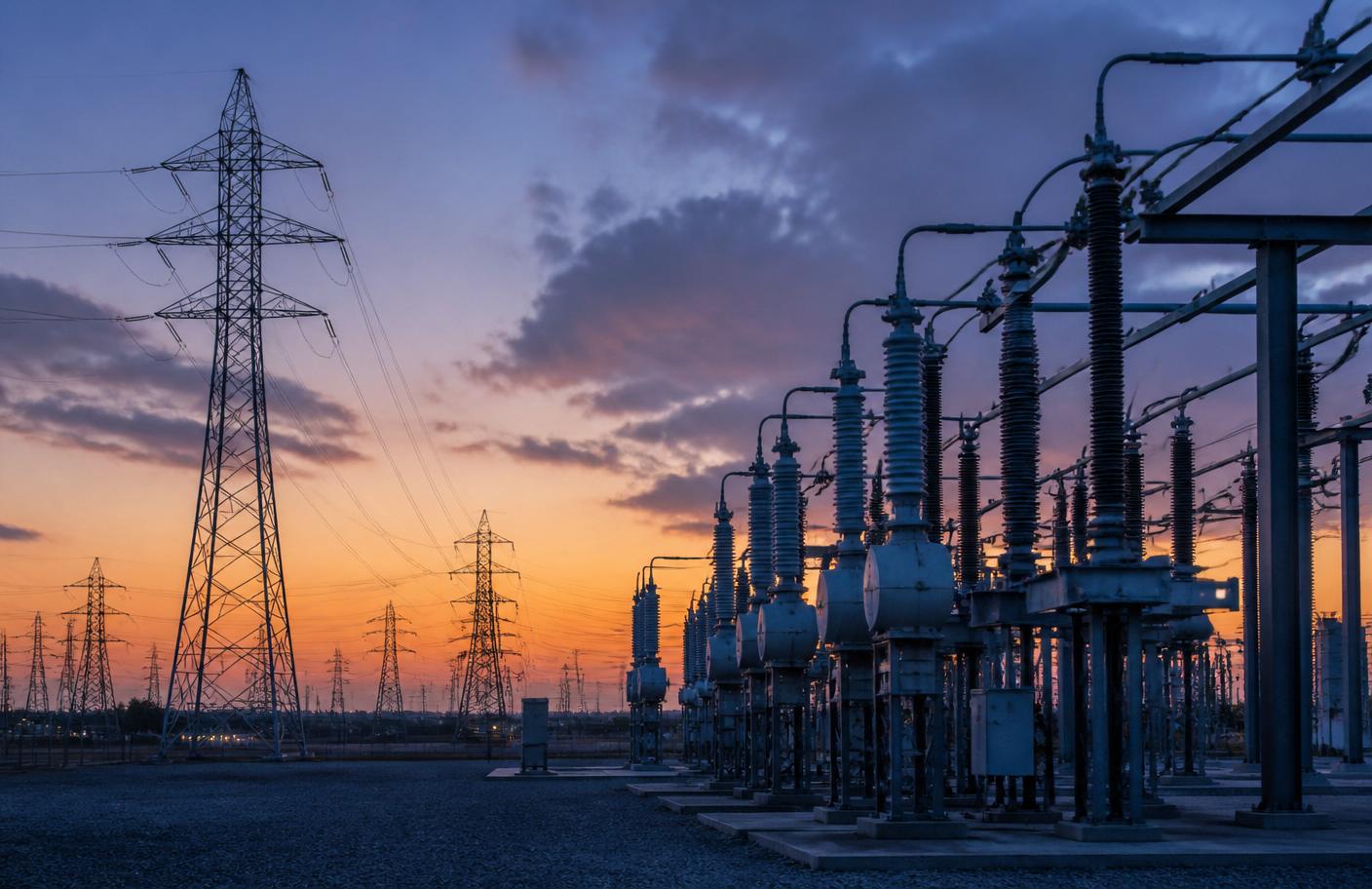
The mechanism, and therefore the return, differs sharply from one market to the next. A storage business has to be built around the value the local system actually pays for.
| Market | Enabling mechanism | Where the return sits |
|---|---|---|
| Vietnam | Two part tariff for standalone BESS under Circular 62, plus a solar plus storage mandate | Capacity payments for availability alongside energy and arbitrage. A defined, financeable revenue base. |
| Singapore | EMA contracted storage, with frequency regulation and grid inertia services in trial | Contracted revenue plus emerging grid service value. Scarce land rewards density and innovation. |
| Indonesia | Solar plus storage export projects feeding firm power to Singapore | Long term offtake on firm, exported power, underpinned by very large paired storage volumes. |
| Philippines | Storage paired with solar through the Green Energy Auctions | Auction backed offtake, with a growing merchant and ancillary services opportunity. |
The Team Behind the Asset
The specialists a bankable battery needs
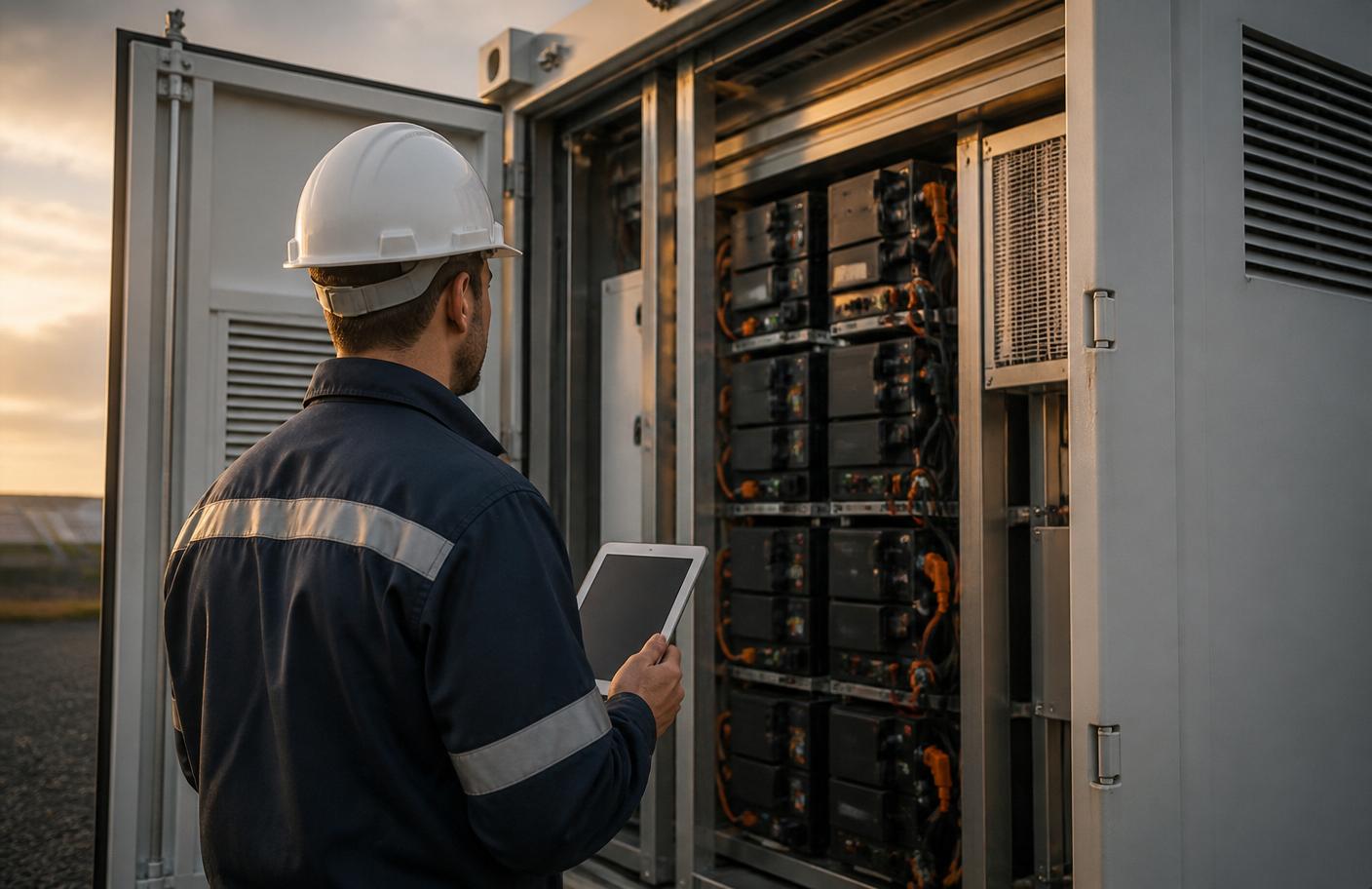
A bankable revenue model is necessary, but it does not run the asset or capture the value on its own. That takes a specific and scarce set of skills, and it is where storage projects most often slow down.
Four capabilities matter most, and each is an emerging specialism where the pool of people who have done the work in an ASEAN context is small.
Revenue and dispatch modelling
Optimises how a system bids across the available value streams, and underpins the investment case.
BESS engineering and safety
Thermal management, fire risk, degradation and augmentation across a fifteen year asset life.
Commercial and origination
Structures tolling agreements, capacity contracts and offtake around unfamiliar new mechanisms.
Project finance
Underwrites a revenue model that, across most of the region, has little or no track record.
This is precisely the kind of scarce, specialist hiring where sector knowledge decides the outcome. SCG recruit these professionals across the energy transition and assess them on judgement and commercial understanding rather than keywords, because in storage the gap between a strong and a weak hire rarely shows on a CV.
“In storage, the gap between a strong and a weak hire rarely shows on a CV.”
Working with SCG
Turning the opportunity into a team
Building a storage business here is as much a talent challenge as an engineering one. SCG Partners work with developers, funds and technology providers across the Asia Pacific energy transition, and support them in three connected ways.
Find Talent
Specialist recruitment of the project, commercial and engineering professionals storage projects depend on, sourced well beyond the active market.
Grow Your Business
Practical advisory for organisations entering Singapore and expanding across Asia Pacific, and strengthening local commercial capability.
Talent Intelligence Framework
Structured assessment that looks past experience and qualifications to the factors that predict success in an unproven field.
The SCG Talent Intelligence Framework
Assessing talent for an unproven field
The decisions organisations make about people are among the most important commercial decisions they will ever make, and in a field as new as grid scale storage, experience and qualifications tell only part of the story. The SCG Talent Intelligence Framework brings structure to those decisions, moving the question from whether a person can do the job to whether they will succeed in this role, in this market, over time. It weighs a broader set of factors across ten dimensions.
Capability
- Technical capability
- Commercial understanding
- Leadership potential
- Communication skills
Experience
- Industry experience
- International exposure
- Project complexity
- Career progression
Fit & Growth
- Cultural fit
- Long term growth contribution
For a storage hire, project complexity and commercial understanding usually carry the most weight, because the work is new and the revenue logic is unfamiliar. The method is built to enhance professional judgement, not replace it, and it reflects how SCG work throughout: as an industry specialist and long term commercial partner, not a firm that simply fills vacancies.
“Storage is becoming bankable. The advantage goes to those who can structure the revenue and build the team to run it.”
SCG Partners combine specialist recruitment, market entry advisory and deep sector knowledge across Asia Pacific's energy transition. Whether you are hiring the specialists behind a battery project or establishing a storage business in the region, we would welcome the conversation.
Figures and developments drawn from Norton Rose Fulbright and Lexology analyses of Vietnam's Circular 62/2025 and Revised PDP8; Energy Storage.News; Sembcorp and Singapore's Energy Market Authority; and IEA regional investment data. Regulatory frameworks were current as of mid 2026 and continue to evolve.